Have you ever been interested in creating your own computer server or workstation? Here is a video of one that I built for a clientʻs AI project.
Main components:
AMD Ryzen Threadripper PRO 3955WX CPU
ASUS PRO WS WRX80E SAGE SE WIFI E-ATX motherboard
PNY NVIDEA RTX A5000 PCI graphics card
Kingston DDR4 3200MHz RAM (8 x 32GB = 256GB)
Samsung 980 Pro PCIe 2,0 NVMe SSD (2 x 2TB)
Samsung 870 EVO MZ-77E4T0B (4 x 4TB SSD)
Corsair AXi Series AX1600i 1600 watt power supply
be quiet! Dark Base Pro 900 rev 2 computer case
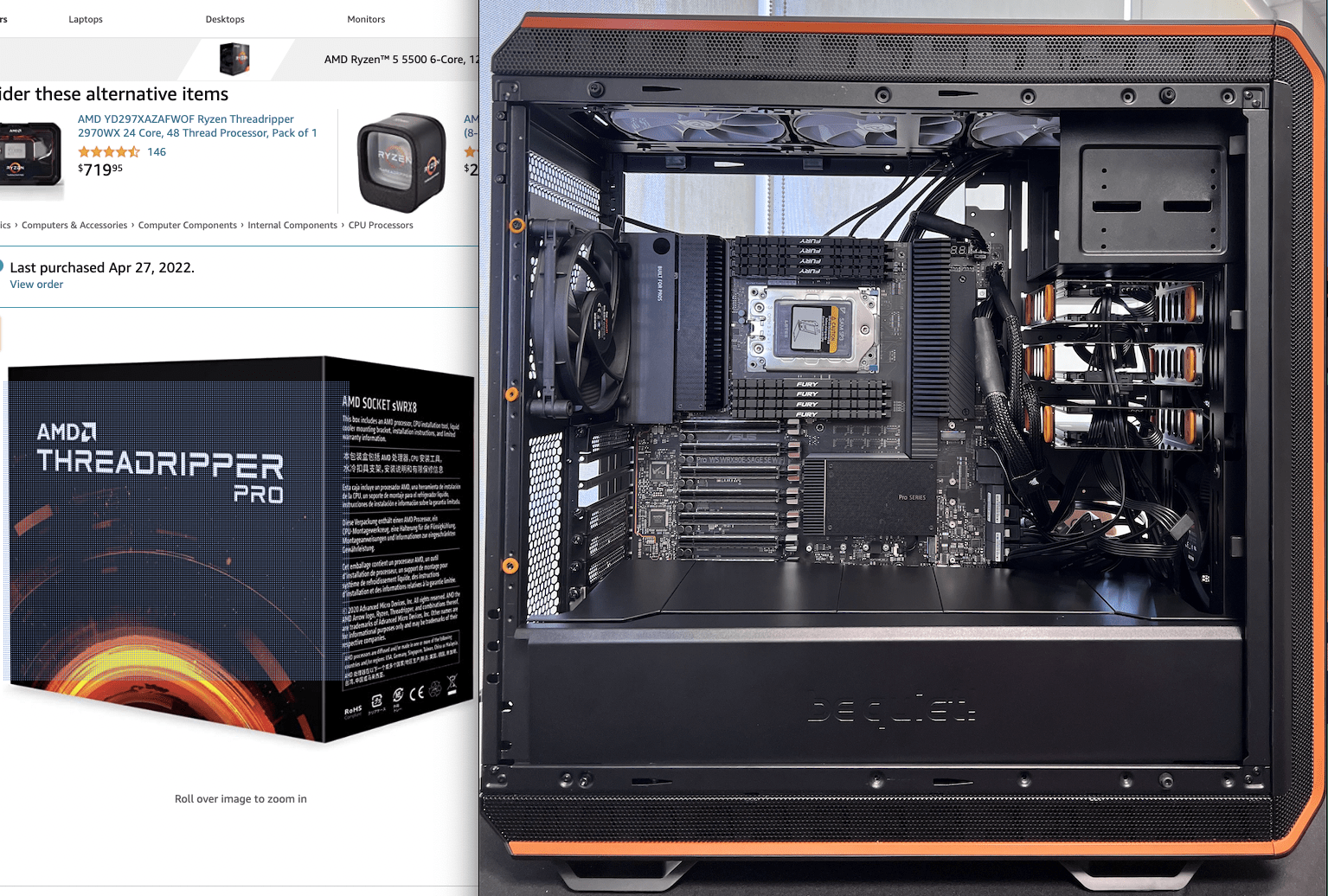
In 2022, the parts for this 256GB AMD Ryzen Threadripper computer server cost about $8,000 in parts to build (plus labor), and it was one of the most powerful servers you could build with consumer parts. I tested it with Windows 11 Pro to make sure everything worked properly, then uninstallaed that OS. I delivered it to the client with VMware-Workstation installed, as that was the best for their AI application. I bought the parts for two servers, but only built one, becasue the IPMI expansion communication card was back-ordered. This was for communication between the two servers, placed in different physical locations. Because of the current AI boom, it may be hard to get the parts that you would like to get, and the prices have gone up due to the increased demand of data centers. I purchased brand-name, high-performance parts, but you may need to consider other manufacturers or alternative parts choices.
The part selections for a computer build depend on what is available on the consumer market, your component selections, and their physical dimensions. For instance, I first purchased the be quiet! Dark Base Pro 750 case, but I found it was too small to accommodate the extended size of the ASUS-PRO-WS-WRX80E-SAGE-SE-WIFI- motherboard. I ended up sending the first case back, then purchasing the be quiet! Dark Base Pro 900 rev 2 computer case, which was a better fit.
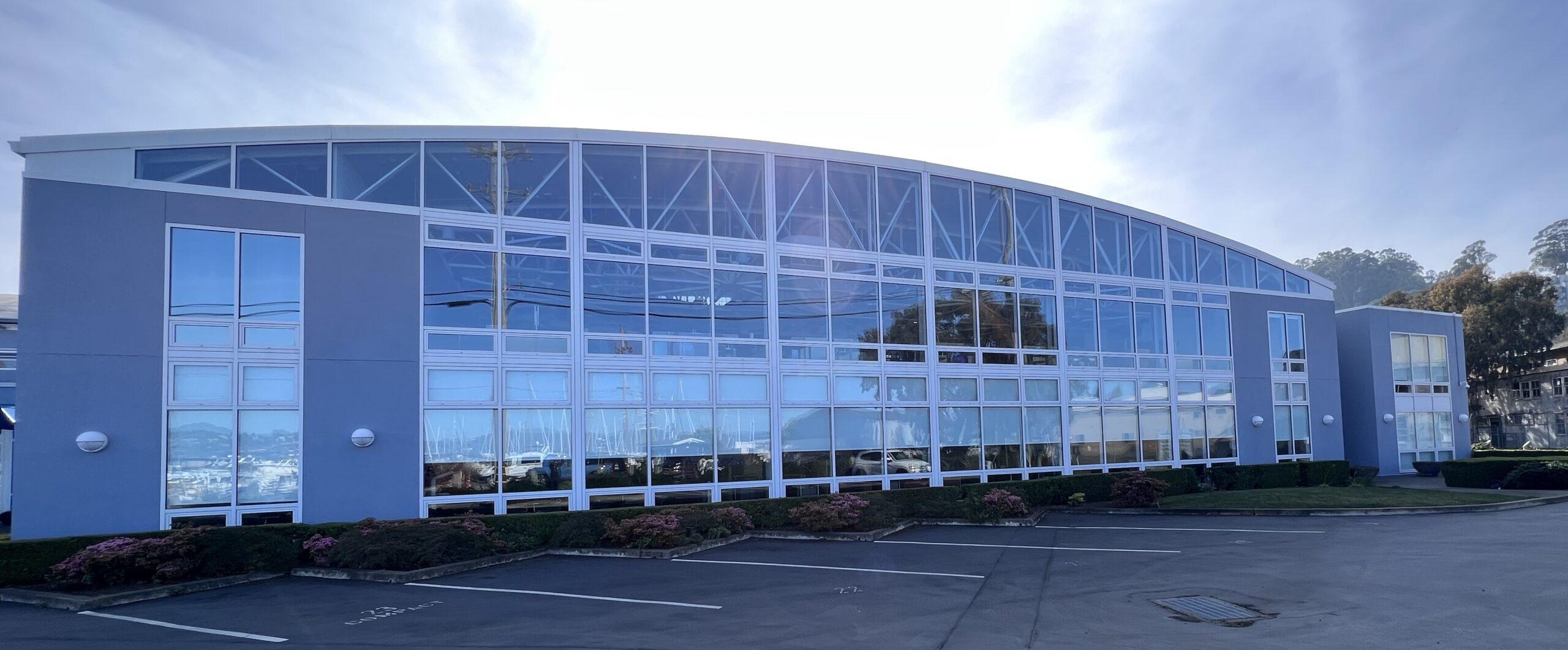
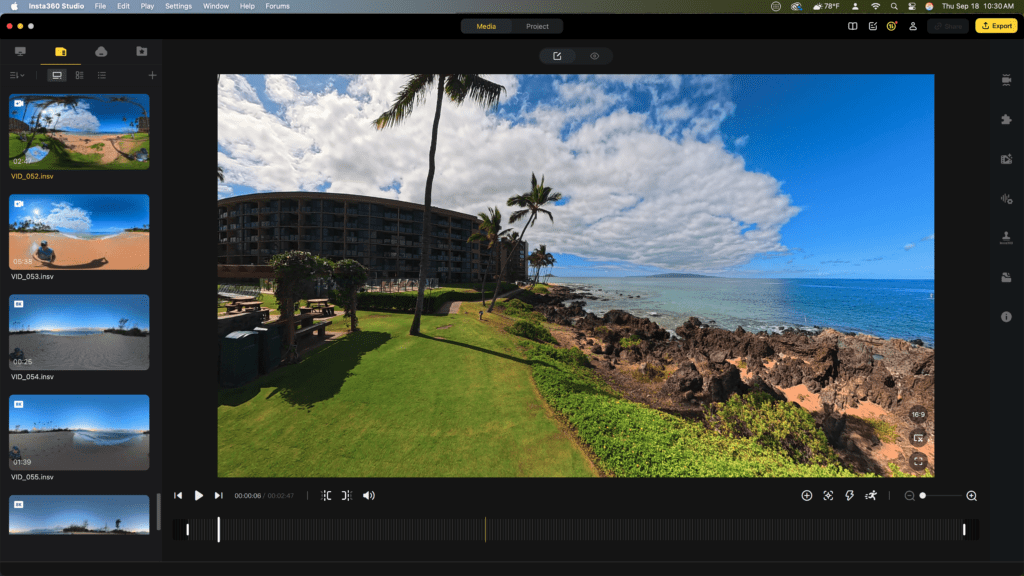
I built this at my office in Sausalito, California just before I closed this location, and moved to Maui, Hawaii. This video footage was sitting on my hard drive for a while, so it was time to share it, while the information still might be relevant.
I got started with personal computers when I worked for ComputerLand in Belmont, California. I was the Assistant Manager, and sold lots of computers to publishing houses and larger companies as these new micro computers, laser printers, and networks started to be introduced. My first personal computer at home was the Apple II. Then, I bought one of the first IBM PCs, when they came out in 1983. Of course, I bought the Macintosh when it was first introduced in 1984! I had access to so many computers like Compaq, Osborne, DEC Rainbow, and others. I got to take them home and use them, so I got really proficient with computers.
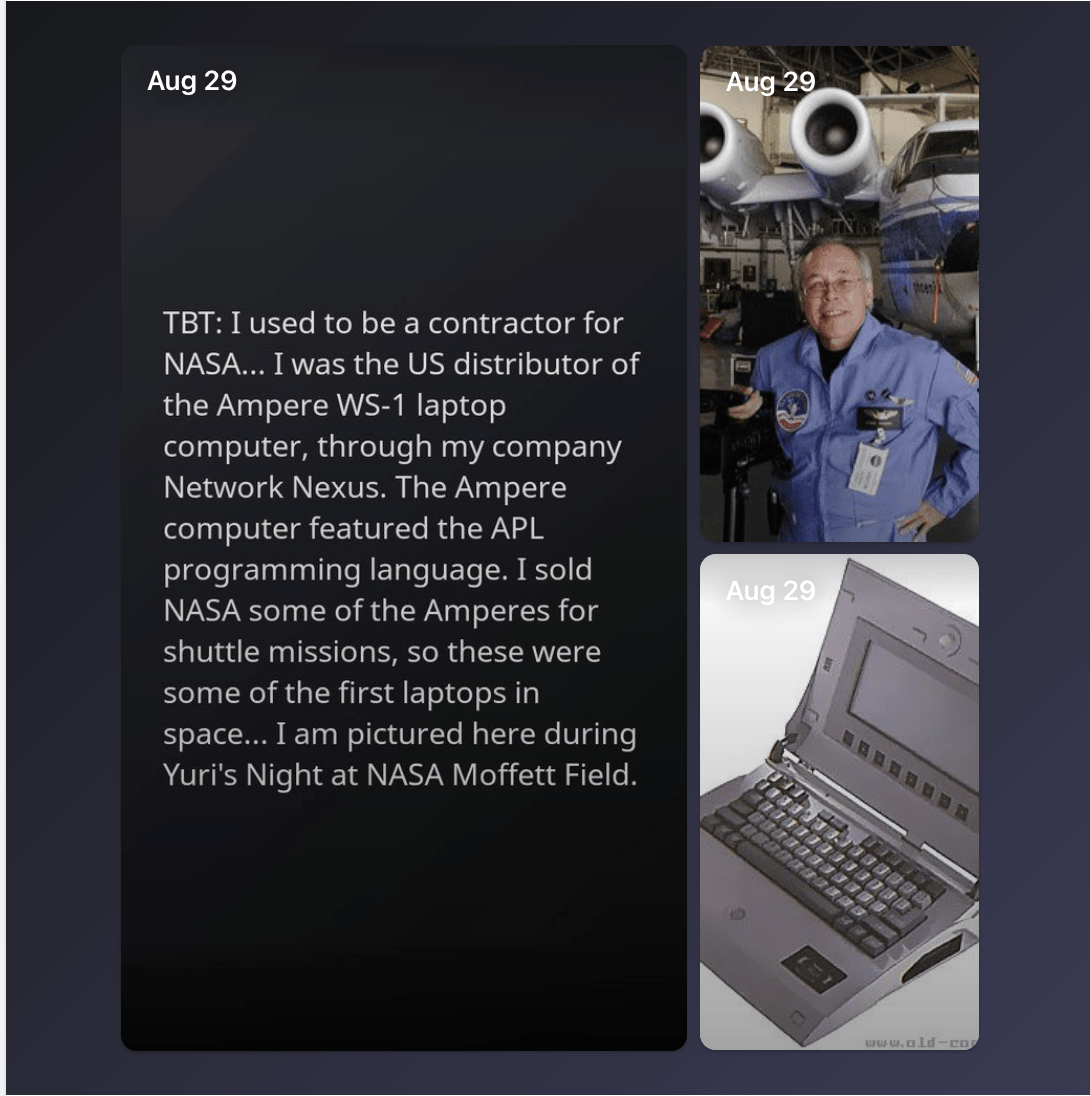
When I left Orange County Department of Mental Health, and moved up to Redwood /city California to do dolphin research with Dr. John Lilly, I aslo started a company across the street. I started Network Nexus to be a computer reseller and developer. Network Nexus became the national distrbutor of the Ampere WS-1 laptop. These were Japanese-built APL computers, which allowed transfer of programs from the IBM mainframe computers, for use in flight. These laptops were used on the NASA Space Shuttle at NASA Moffett Field, California. I was also a dealer for Sage and Stride Computers, and built servers and networks based on their hardware. I built computers for Stanford Linear Accellerator Center, Industrial Light & Magic, and other clients like Apple developers that would use them for Macintosh software develpment in the early days.
For my typesetting company Pinnacle Type, in the San Francisco Financial District, I built a PostScript file collection server, for sending to a Linotronic PostScript film printer used for CMYK separations for offset printing. Linotronic imagesetters are a type of high-quality printer, with resolutions of up to 2540 dots per inch. The Linotronic allowed graphic artists to set type that exceeded the quality of many phototypesetting systems in use at the time. A Linotronic is like a washing machine-size laser printer, that prints on film on a canister inside. These films were processed in a darkroom with an automated photographic chemical bath to develop the tabloid-sized images used for film separations. The processed films would be messengered to printing houses for printing large posters, magazines and books. This business was not able to continue on after Adobe released their PDF format, and everything switched to digital printing that you could do from the desktop.
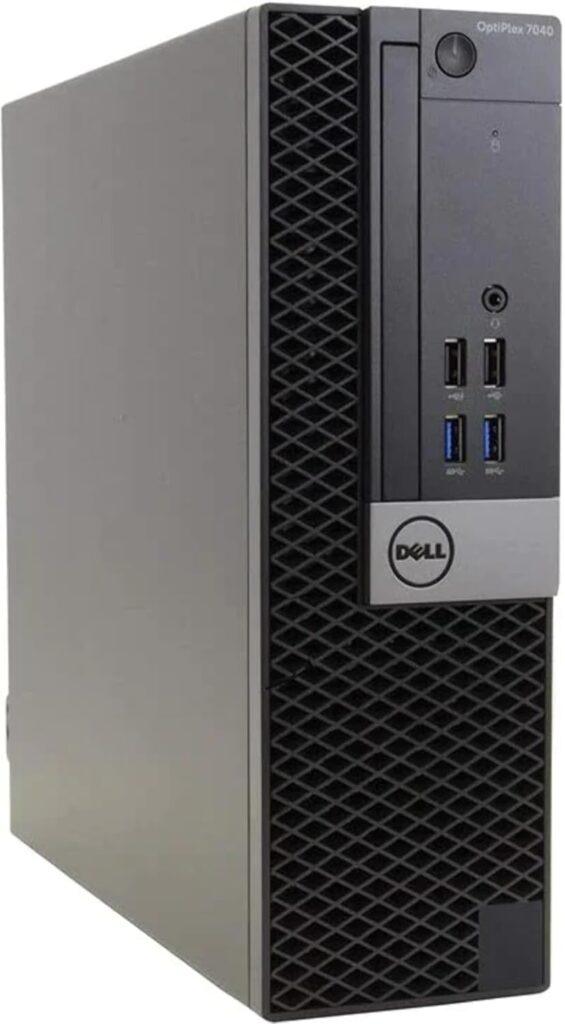
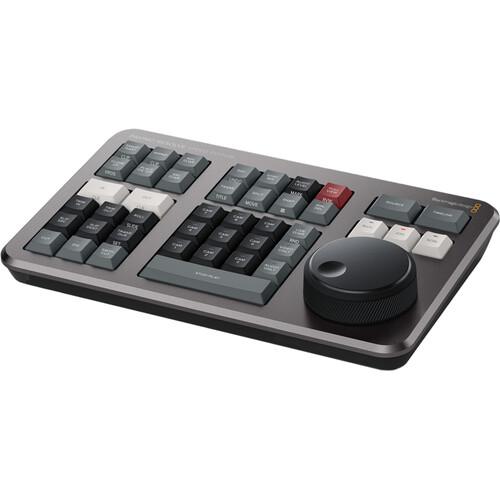
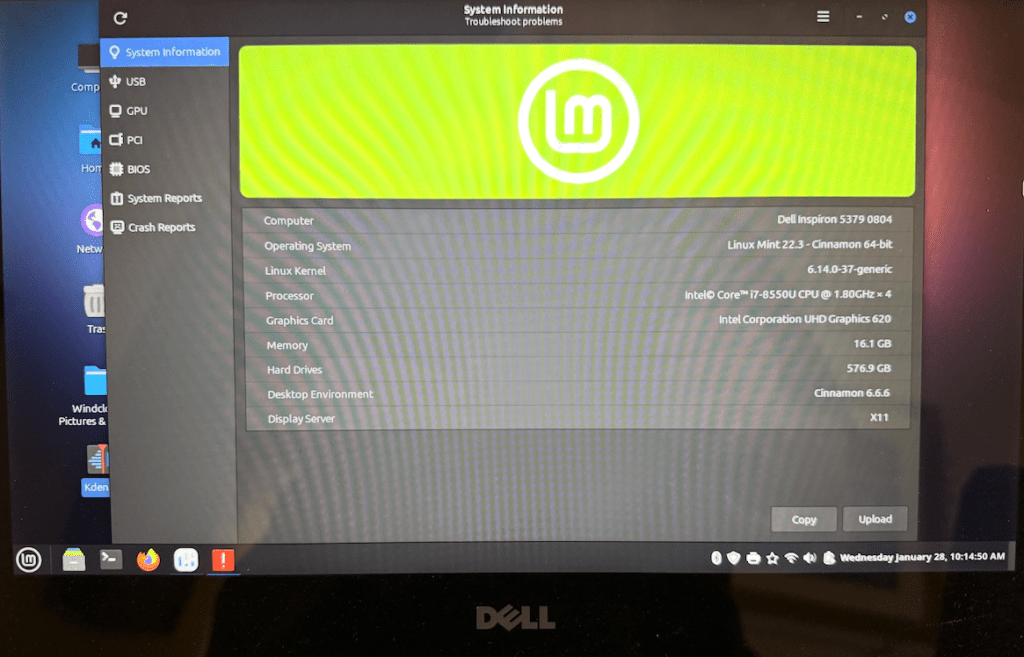
I still currently use macOS, Windows 11 Pro, and Linux Cinnamon Mint computers. My applications are mostly video editing projects. I just put together a Dell Optiplex computer for video editing with Davinci Resolve Studio, with a Davinci Resolve Speed Editor keyboard.
Regarding the audio track used in this YouTube Channel Video: This track is free to use even commercially (like YouTube monetization). Code Switch by Punch Deck | / punch-deck
Music promoted by https://www.chosic.com/free-music/all/ Creative Commons CC BY 3.0 https://creativecommons.org/licenses/…